Why Your Circuit Breaker Keeps Tripping & What to Do
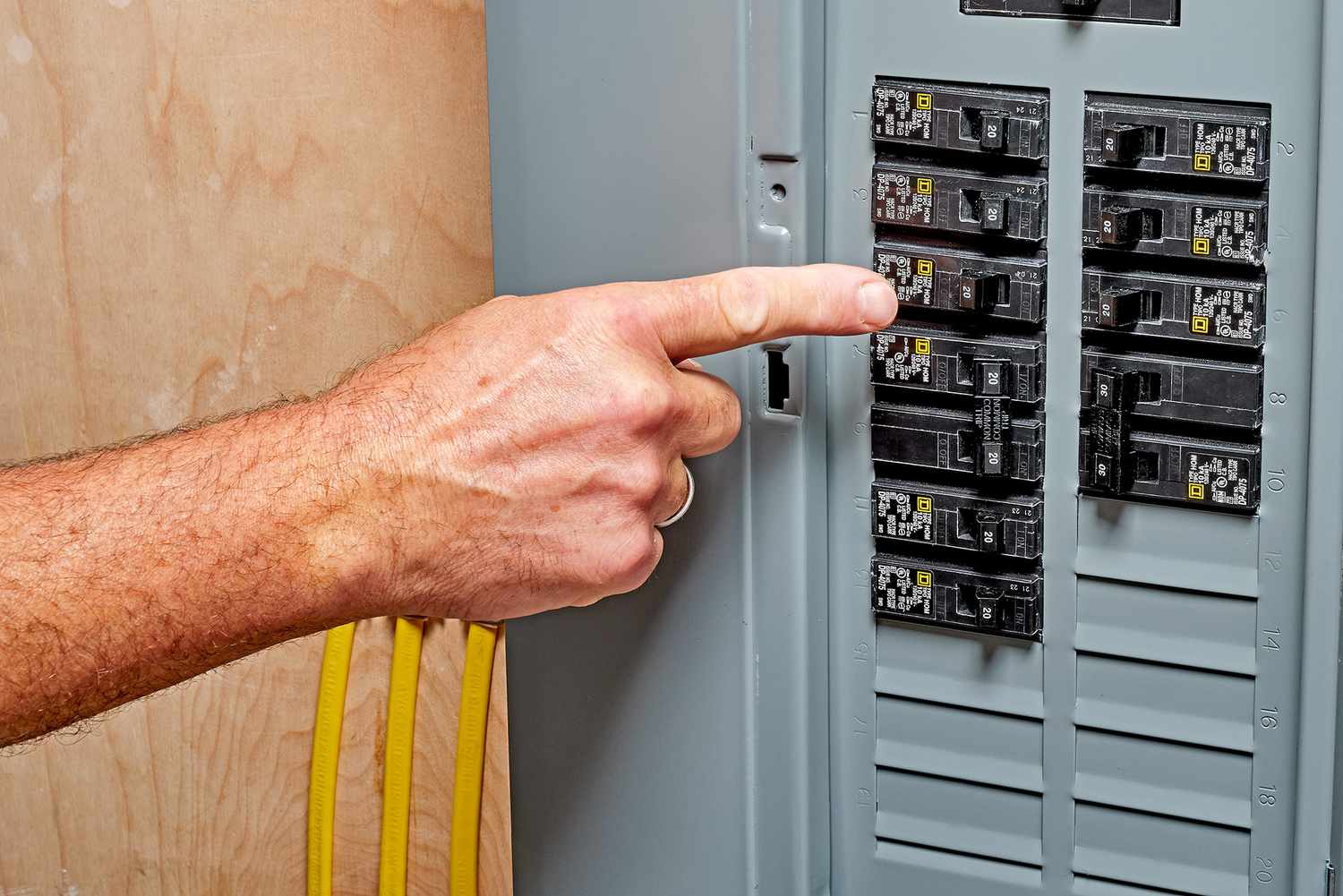
Why Your Circuit Breaker Keeps Tripping & What to Do
ERM Team
February 16, 2026
A circuit breaker that keeps tripping is more than just an inconvenience—it's your home's way of warning you that something isn't right. While an occasional trip is normal, repeated breaker trips often indicate an overloaded circuit, faulty appliance, damaged wiring, or an electrical system that can no longer keep up with your home's power demands.
Understanding why your breaker trips can help you prevent expensive repairs, protect your appliances, and keep your family safe.
For homeowners throughout Vancouver, Burnaby, Coquitlam, and the Lower Mainland, identifying the cause early is the best way to avoid more serious electrical problems.
What Does It Mean When a Circuit Breaker Trips?
Circuit breakers are safety devices designed to automatically shut off power whenever they detect unsafe electrical conditions.
Rather than allowing wiring to overheat, the breaker interrupts power before damage can occur.
A breaker that trips occasionally is usually doing exactly what it was designed to do. However, if the same breaker trips repeatedly, the underlying problem should be investigated rather than ignored.
Common Reasons Your Circuit Breaker Keeps Tripping
1. Overloaded Circuit
This is the most common reason homeowners experience breaker problems.
Running multiple high-powered appliances on the same circuit can easily exceed its capacity.
Common examples include:
- Space heaters
- Microwaves
- Coffee makers
- Air fryers
- Portable air conditioners
If breaker trips become frequent, your home may benefit from additional dedicated circuits or a review of your electrical load.
Related Services
2. Short Circuit
A short circuit occurs when a hot wire comes into contact with a neutral wire, creating a sudden surge of electricity.
Common warning signs include:
- Breaker trips immediately after resetting
- Burning smell
- Scorch marks around outlets
- Buzzing sounds
Short circuits should always be inspected by a licensed electrician as they present a serious fire hazard.
3. Ground Fault
Ground faults are similar to short circuits but occur when electricity unintentionally flows to ground through metal components or moisture.
They are most common in bathrooms, kitchens, garages, outdoor outlets, and other damp locations.
If a GFCI outlet or breaker continues tripping, moisture, damaged wiring, or a faulty device may be the cause.
Related Resource
4. Faulty Appliance
Sometimes the breaker isn't the problem.
If it only trips while using one appliance, that appliance may have an internal fault.
Large appliances with damaged heating elements or failing motors commonly cause nuisance breaker trips.
If the appliance trips breakers on multiple circuits, discontinue using it until it has been inspected.
Related Resource
5. Aging Breaker or Electrical Panel
Like any mechanical component, circuit breakers wear out over time.
Older electrical panels may no longer provide reliable protection, particularly in homes built several decades ago.
If your panel feels warm, contains outdated breakers, or has little remaining capacity, a professional assessment is recommended.
Related Resources
How to Identify the Cause
| Situation | Possible Cause |
|---|---|
| Trips while several appliances are running | Overloaded circuit |
| Trips immediately after resetting | Short circuit |
| Trips during rainy weather | Ground fault or moisture |
| Trips only with one appliance | Faulty appliance |
| Random breaker trips throughout the day | Panel, wiring, or breaker issue |
Is It Safe to Keep Resetting the Breaker?
Resetting a breaker once after an isolated trip is generally acceptable.
However, repeatedly resetting the same breaker without identifying the cause can create a serious safety risk.
If the breaker trips immediately after being reset, leave it off and arrange for a professional inspection.
How to Prevent Future Breaker Trips
- Avoid overloading outlets.
- Use high-powered appliances on dedicated circuits.
- Replace damaged cords immediately.
- Schedule periodic electrical inspections.
- Upgrade older electrical panels when necessary.
- Plan electrical capacity before purchasing new appliances.
Related Resources
- Why Electrical Planning Matters in Home Renovations
- How to Prepare Your Home for Electrical Inspection Before Selling
When Should You Call a Licensed Electrician?
You should contact a qualified electrician if:
- Your breaker trips repeatedly.
- You notice burning smells or discolored outlets.
- Your electrical panel feels unusually warm.
- You hear buzzing from the panel.
- Your lights flicker frequently.
- You live in an older home with an aging electrical system.
Related Service
Frequently Asked Questions
Why does my breaker keep tripping when I use the microwave?
Your microwave may be sharing a circuit with other high-powered appliances, causing the circuit to overload.
Can a bad breaker cause repeated trips?
Yes. Older or damaged breakers may become overly sensitive or fail to operate correctly and should be inspected.
Should I keep resetting a breaker?
No. If the breaker trips repeatedly, the underlying electrical issue should be diagnosed before restoring power.
Can an overloaded electrical panel cause breaker trips?
Yes. Homes with older or undersized electrical panels may experience repeated breaker trips as electrical demand increases.
Protect Your Home with Professional Electrical Troubleshooting
Repeated breaker trips are your home's way of warning that something needs attention. Whether the problem is a faulty appliance, overloaded circuit, aging panel, or damaged wiring, early diagnosis can help prevent larger and more expensive repairs.
ERM Electric provides professional electrical troubleshooting, repairs, inspections, and panel upgrades for homeowners throughout Vancouver, Burnaby, Coquitlam, and the Lower Mainland.
Contact ERM Electric today to schedule a professional electrical assessment and restore the safety and reliability of your home's electrical system.
Need Professional Electrical Services?
If you have electrical questions or need professional services in Vancouver and the Lower Mainland, our licensed electricians are here to help.