
What is copper pigtailing?
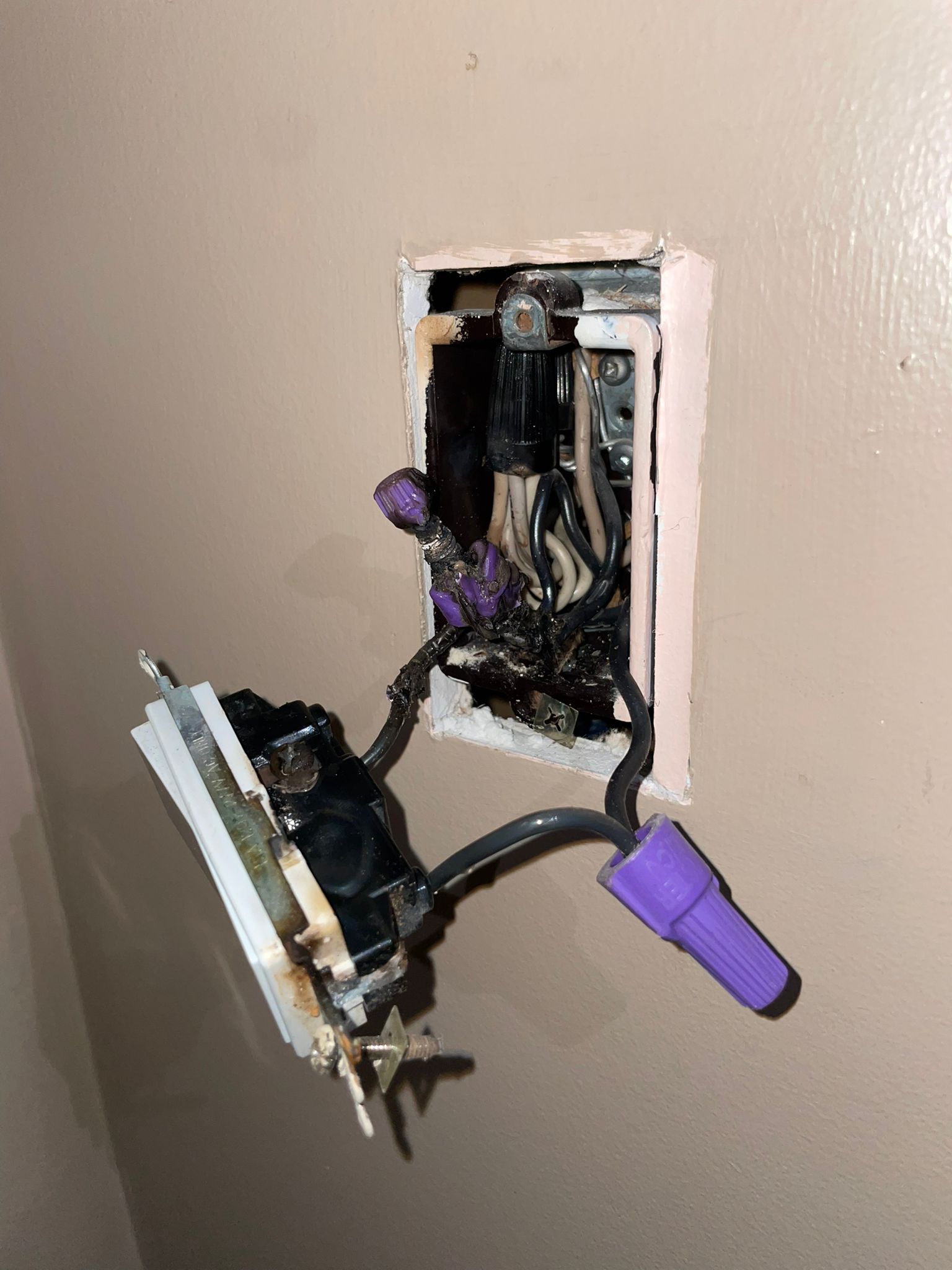
What Is Copper Pigtailing? A Guide for Vancouver Homeowners
ERM Team
January 28, 2026
If your home was built during the 1960s or 1970s, there's a good chance it contains aluminum branch-circuit wiring. While aluminum wiring was widely used at the time, modern research and decades of field experience have shown that improperly terminated aluminum connections can become loose over time, increasing the risk of overheating and electrical fires.
One of the most effective ways to improve the safety of an aluminum-wired home is copper pigtailing.
Copper pigtailing is a proven repair method that allows existing aluminum wiring to remain in place while replacing vulnerable device connections with short copper conductors using approved aluminum-to-copper connectors.
For many homeowners throughout Vancouver, Burnaby, Coquitlam, and the Lower Mainland, copper pigtailing offers a practical, cost-effective alternative to a complete home rewiring project.
What Is Copper Pigtailing?
Copper pigtailing is a specialized electrical repair used on homes with aluminum branch-circuit wiring.
During the process, a licensed electrician connects a short piece of copper wire—called a pigtail—to the existing aluminum conductor using an approved connector specifically designed for aluminum-to-copper connections.
The electrical device, such as an outlet, switch, or light fixture, is then connected to the copper wire instead of directly to the aluminum conductor.
This creates a more stable connection while significantly reducing the risk of loose terminations, overheating, and electrical arcing.
Related Service:
Why Does Aluminum Wiring Require Special Attention?
Aluminum wiring isn't inherently unsafe.
The problem usually develops at connection points where aluminum conductors attach to outlets, switches, breakers, and light fixtures.
Compared with copper, aluminum:
- Expands and contracts more as temperatures change.
- Oxidizes more easily when exposed to air.
- Is softer than copper and can loosen over time.
- Can create higher-resistance connections if improperly installed.
As these connections loosen, electrical resistance increases.
This extra resistance generates heat, which can eventually damage outlets, switches, connectors, or surrounding wiring.
Many aluminum wiring problems discovered today are the result of aging connections or previous repairs that were completed incorrectly.
How Copper Pigtailing Improves Electrical Safety
Copper pigtailing addresses the areas where aluminum wiring is most vulnerable—its termination points.
Rather than replacing every wire throughout the home, the repair focuses on improving the safety of each electrical connection.
When completed correctly, copper pigtailing offers several important benefits:
- More reliable electrical connections
- Reduced risk of overheating
- Improved resistance to loose connections
- Better long-term reliability
- Lower repair costs than complete rewiring
- Improved confidence for home buyers and insurance providers
Because the aluminum wiring remains in place, proper workmanship is essential.
The repair should always use approved aluminum-to-copper connectors and follow the manufacturer's installation requirements, including proper conductor preparation and torque specifications.
Signs Your Home May Need Copper Pigtailing
Many homeowners don't realize their aluminum wiring needs attention until warning signs begin to appear.
Common indicators include:
- Flickering lights
- Warm outlets or switches
- Buzzing electrical devices
- Burning smells near outlets
- Frequently tripped breakers
- Discolored outlet covers
- Aluminum wiring identified during a home inspection
- Insurance company concerns regarding aluminum wiring
If your home was built between approximately 1965 and 1975, it's worth having your electrical system professionally evaluated—even if you haven't noticed any obvious problems.
Related Resources:
What Happens During a Professional Copper Pigtailing Project?
Copper pigtailing is much more than replacing outlets or twisting wires together.
Inspection and Assessment
A licensed electrician identifies which circuits contain aluminum wiring and checks for overheating, damaged devices, previous repairs, and other potential safety concerns.
Permit and Project Planning
Where required, electrical permits are obtained before work begins.
Electrical work should always comply with the BC Electrical Code and applicable inspection requirements. For more information, visit Technical Safety BC.
Installing Approved Connectors
Each aluminum conductor is carefully prepared before being connected to a copper pigtail using approved aluminum-to-copper connectors designed specifically for this application.
Device Replacement
Outlets, switches, and other electrical devices are connected to the new copper conductors while ensuring every termination meets current safety standards.
Testing and Inspection
After installation, the electrician tests repaired circuits to verify proper operation and checks for any abnormal heating or loose connections.
Where required, the completed work is inspected before the project is finalized.
Related Service:
Copper Pigtailing vs. Complete Rewiring
Many homeowners assume that a complete home rewiring project is their only option.
In reality, copper pigtailing is often the preferred solution when the aluminum branch-circuit wiring remains in good condition.
Compared with full rewiring, copper pigtailing typically offers:
- Lower overall project cost
- Less disruption to finished walls
- Faster installation
- Improved electrical safety
- Minimal impact on everyday living
However, every home is different.
A licensed electrician can determine whether copper pigtailing, targeted circuit upgrades, or a complete rewiring project is the safest long-term solution.
Related Services:
Frequently Asked Questions
Is aluminum wiring dangerous?
Aluminum wiring itself isn't necessarily dangerous, but aging or improperly installed connections can increase the risk of overheating and electrical failure.
Does every home with aluminum wiring need copper pigtailing?
Not always. A licensed electrician should inspect the wiring and determine the most appropriate solution based on the condition of the electrical system.
Is copper pigtailing better than rewiring?
For many homes with aluminum branch-circuit wiring, copper pigtailing provides a safe and cost-effective alternative to complete rewiring.
Will copper pigtailing help with insurance?
Many insurance providers recognize professionally completed aluminum wiring remediation. Homeowners should always confirm specific requirements with their insurance company.
Improve the Safety of Your Aluminum Wiring with ERM Electric
If your Vancouver-area home contains aluminum wiring, a professional assessment can help determine whether copper pigtailing is the right solution.
ERM Electric provides aluminum wiring inspections, copper pigtailing, electrical safety upgrades, and code-compliant repairs for homeowners throughout Vancouver, Burnaby, Coquitlam, and the Lower Mainland.
Contact ERM Electric today to schedule an electrical inspection and learn how copper pigtailing can improve the safety and reliability of your home's electrical system.
Need Professional Electrical Services?
If you have electrical questions or need professional services in Vancouver and the Lower Mainland, our licensed electricians are here to help.